

Virtual Fencing vs. Electric Fencing: Which Is Right for Your Farm?
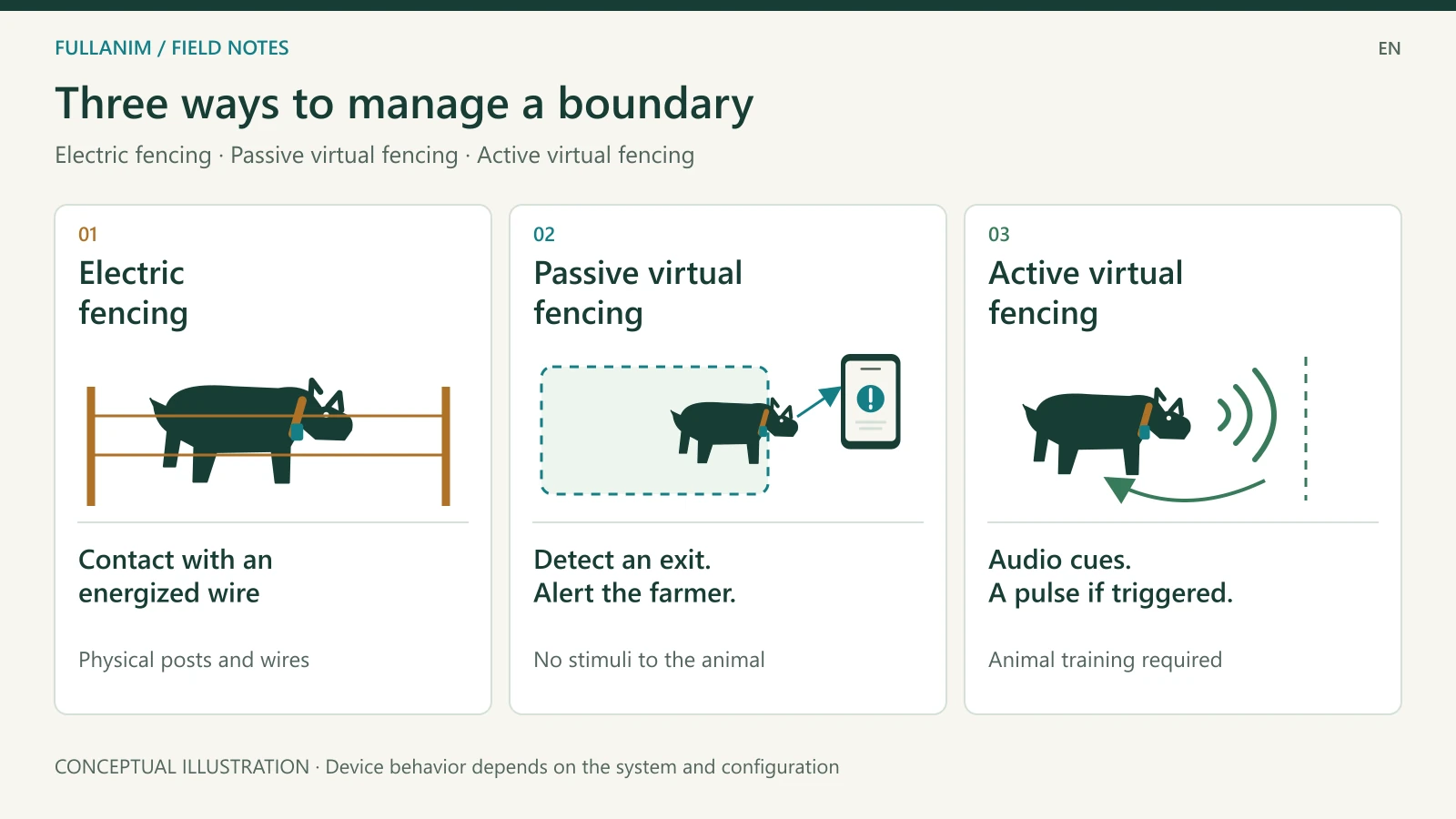
Electric fencing uses energized wires to establish a physical boundary. Virtual fencing uses digital boundaries and wearable devices to support livestock management.
The right choice depends on your goal: monitoring livestock, receiving escape alerts, or actively guiding animals within a grazing area.
For this comparison, we use Passive Virtual Fencing and Active Virtual Fencing as descriptive categories based on function, rather than universally standardized industry terms.
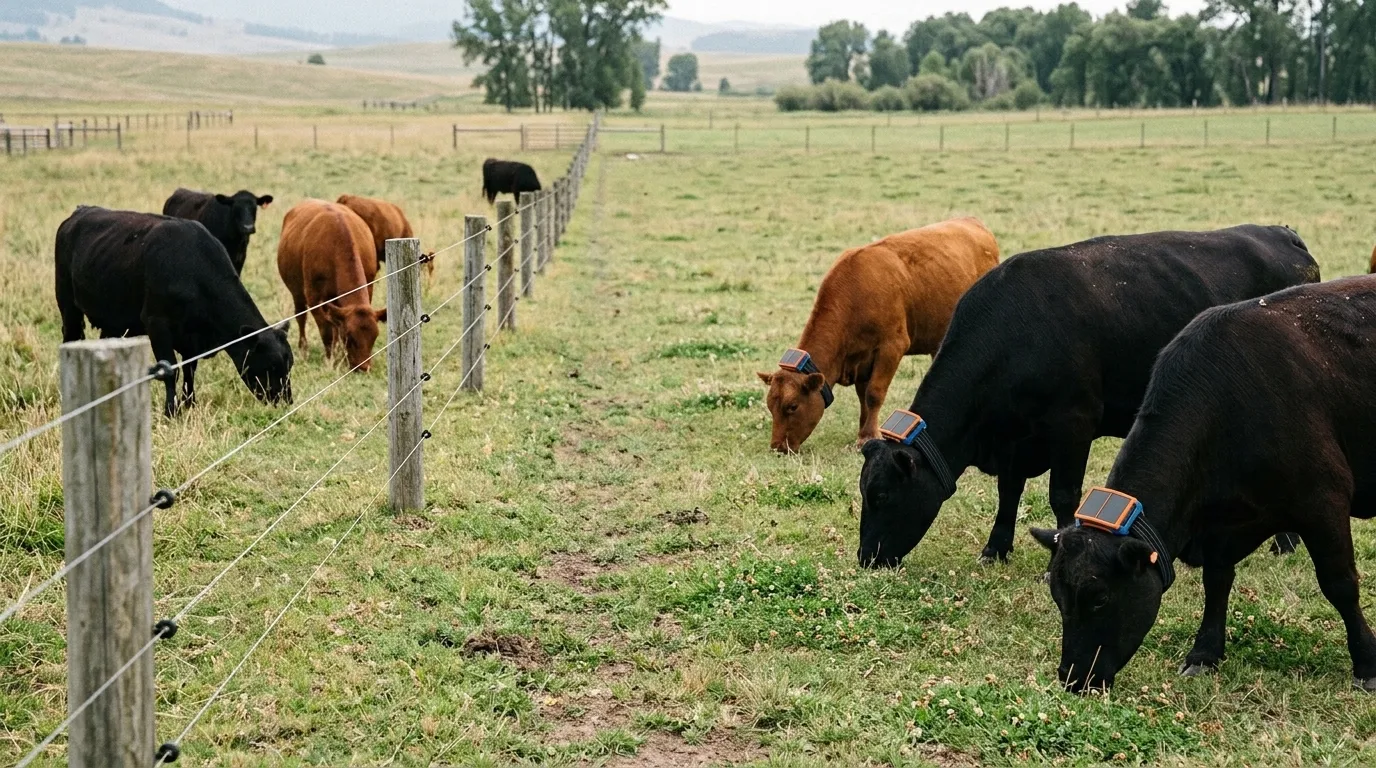
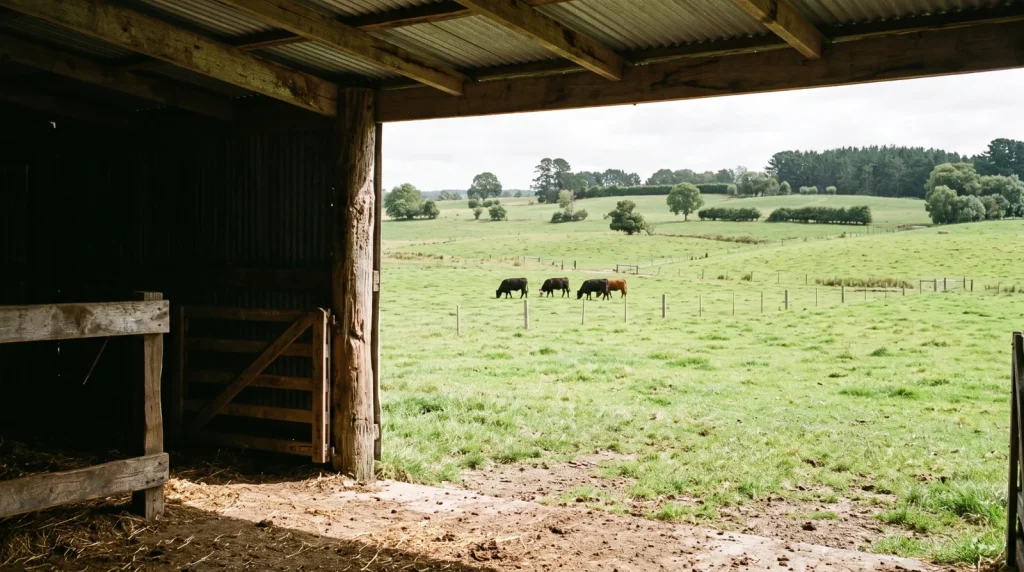
Electric fencing and cattle wearing livestock devices in a pasture. Illustrative image; the pictured hardware does not identify a specific Fullanim model.
Passive vs. Active Virtual Fencing
Passive: Monitor and Alert
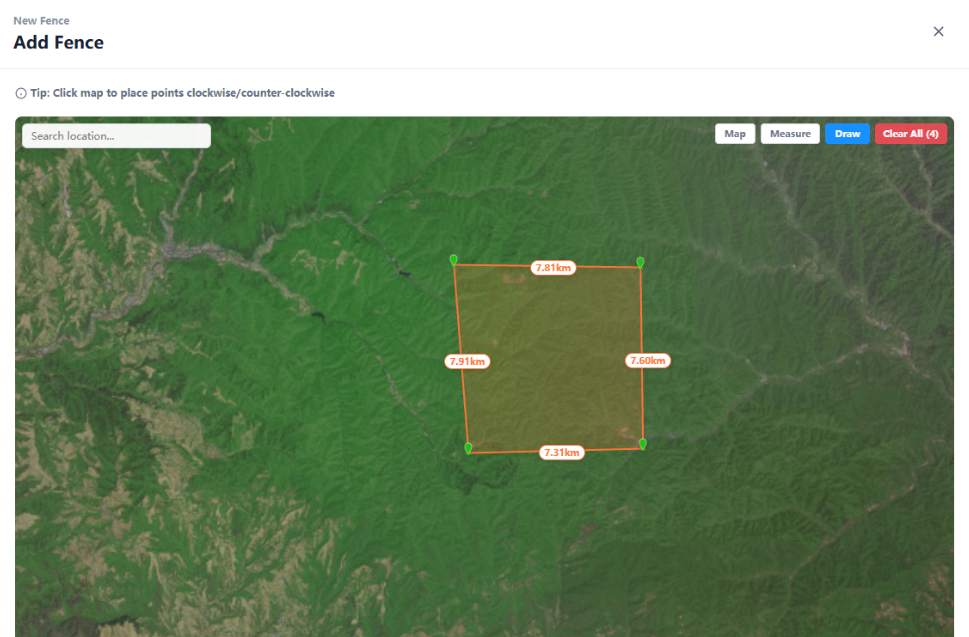
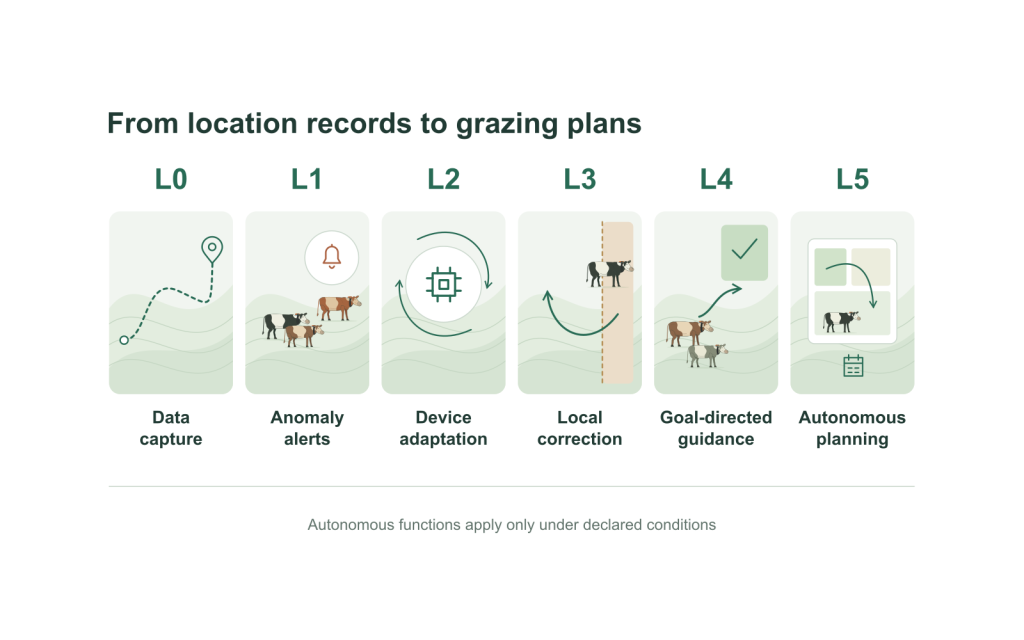
Farmers draw a boundary on a digital map. The system checks reported animal locations against that boundary and alerts the farmer when an animal is detected outside it.
The device does not deliver stimuli or prevent animals from leaving. It helps farmers identify potential escapes, locate livestock, and decide when to intervene. Alert timing depends on location update intervals and connectivity.
Explore Fullanim’s digital boundary monitoring solutions.
Active: Guide Animal Movement
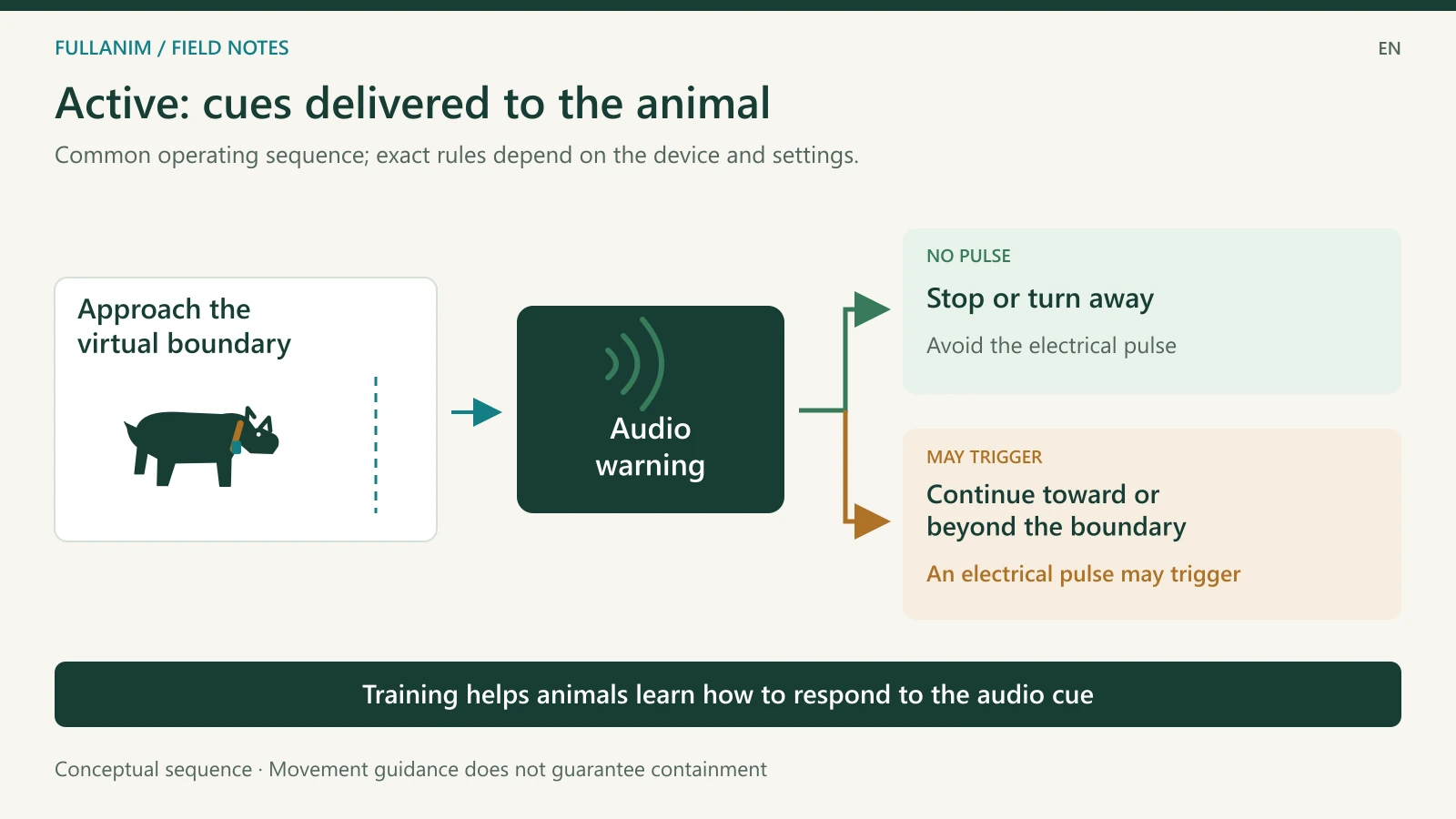
Active systems provide cues directly to the animal. Common systems issue an audio warning as livestock approach a virtual boundary. If an animal continues toward or beyond it, the device may deliver an electrical pulse according to its control rules.
Through training, animals learn to stop or turn away in response to the sound, avoiding the pulse. The sequence depends on the system. CSIRO explains the role of learning in its research on virtual fencing and animal welfare.
The key difference: passive systems alert the farmer; active systems provide cues directly to the animal.
How Do They Compare with Electric Fencing?
| Feature | Electric fencing | Passive virtual fencing | Active virtual fencing |
|---|---|---|---|
| Boundary | Posts and energized wires | Digital boundary on a map | Digital boundary on a map |
| Response | Electrical pulse on contact with an energized wire | Alert to the farmer when a breach is detected | Audio cues and electrical pulses when triggered |
| Directly influences movement | Yes | No | Yes |
| Changing areas | Move or install fencing | Edit the monitoring zone in software | Edit the management boundary in software |
| Setup priorities | Installation, grounding, and power | Device fitting, reporting, and alert settings | Device fitting, configuration, and training |
| Routine checks | Wires, vegetation, grounding, and power | Battery, fit, positioning, and connectivity | Battery, fit, positioning, and animal response |
Active virtual fencing can also use electrical pulses. The difference is how the boundary is established and the pulse is triggered: through a wearable device responding to a digital boundary, rather than contact with a wire. See CSIRO’s introduction to virtual fencing for background.
Which Option Fits Your Farm?
Stable Boundaries: Consider Electric Fencing
Electric fencing is an established option when paddock boundaries change infrequently and wires are practical to install and maintain. Performance depends on installation quality, grounding, power, and regular inspections.
Location Monitoring and Escape Alerts: Consider Passive Systems
Passive systems can complement existing fences when finding animals and checking potential escapes takes time. Assess suitable tracking devices, including Fullanim livestock GPS collars. Monitoring alone does not contain livestock or redirect them.
Frequent Grazing Adjustments: Evaluate Active Systems
Active systems can support rotational grazing and frequent boundary changes, potentially reducing the work of moving internal fences. Before deployment, assess animal training, battery performance, positioning, connectivity, and local requirements.
For critical perimeter boundaries, especially near roads or homes, retain appropriate physical protection based on a site-specific risk assessment.
What Can Fullanim Provide?
Fullanim can support passive and active projects around customer requirements:
- Passive solutions: livestock positioning, digital boundary management, and boundary alerts using tracking ear tags, collars, and management software.
- Active solutions: assessment of customized devices with stimulus capabilities, including project-specific cue methods and control logic.
- Customization and integration: hardware, firmware, and platform integration through Fullanim’s OEM and ODM development services.
Active solutions must be assessed against local regulations, animal welfare requirements, and farm conditions. Requirements for veterinary involvement or authorization should be confirmed in the target market.
Start with the management goal: Do you need to know when animals leave an area, or do you need to guide their movement? Then compare deployment, maintenance, and ongoing operating costs.



 Contact us by email